
Fifty years ago on the wide open plains of Wyoming, a shared vision was born – how to preserve, protect, and benefit the pronghorn antelope. The answer was water. Since the inception of Water for Wildlife® on May 1, 1975, the original vision has expanded to provide vital habitat resources to all wildlife species across 12 western states.
Our mission revolves around three central goals, with collaboration at the core: Conserving wildlife, restoring habitat, and supporting education.
Our Mission
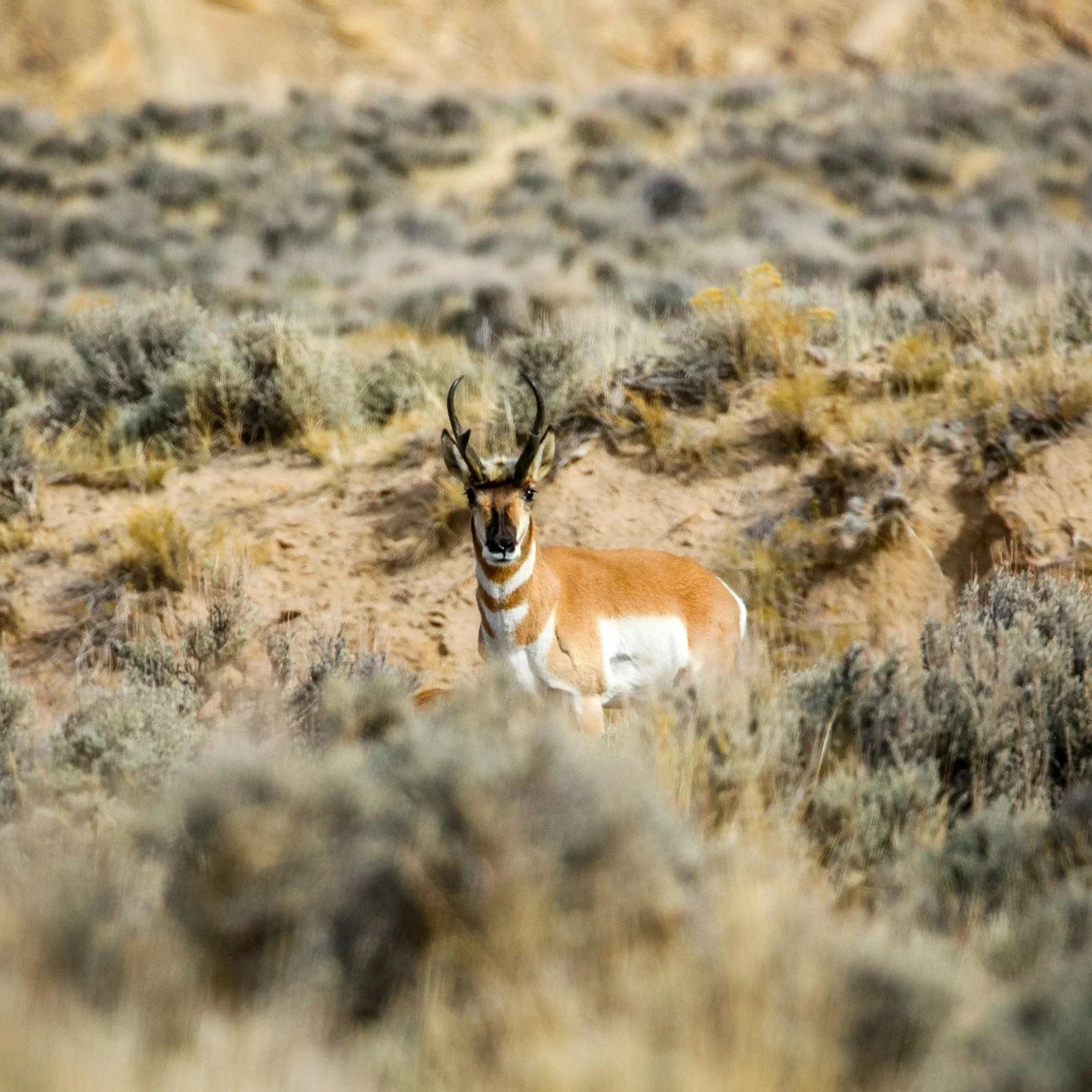
Conserving Wildlife
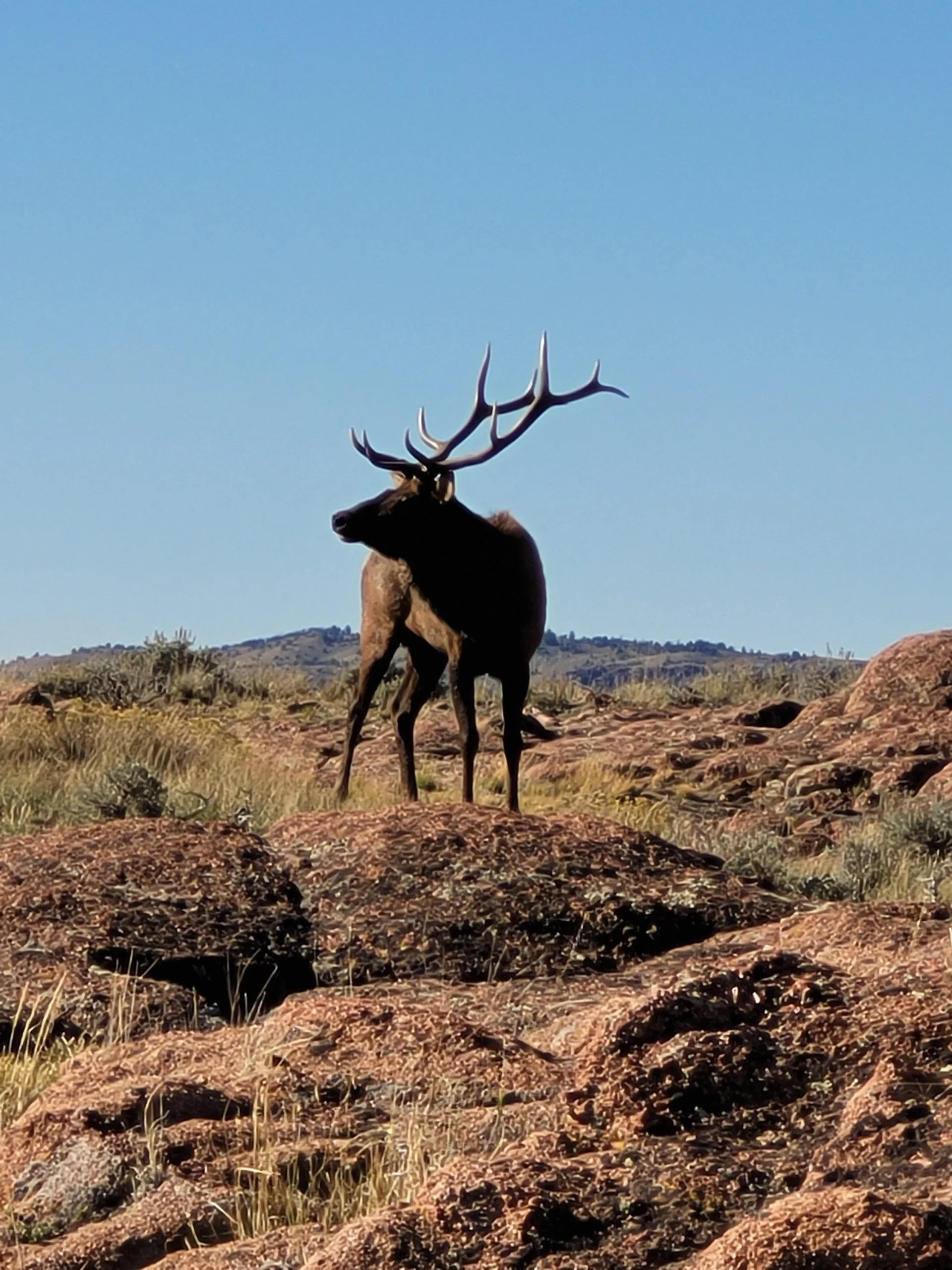
Across the West, native species and their habitats have been adversely affected by years of drought conditions. By providing permanent supplemental water sources to specific areas, the Water for Wildlife® Foundation works to preserve the diversity and health of these important wild species and habitats. While WFWF was initially formed to benefit pronghorn antelope, we have branched out to help all species that inhabit arid environments. These include game animals such as elk, mule deer, sage grouse, and bighorn sheep, and non-game animals such as songbirds, raptors, waterfowl, and aquatic life.
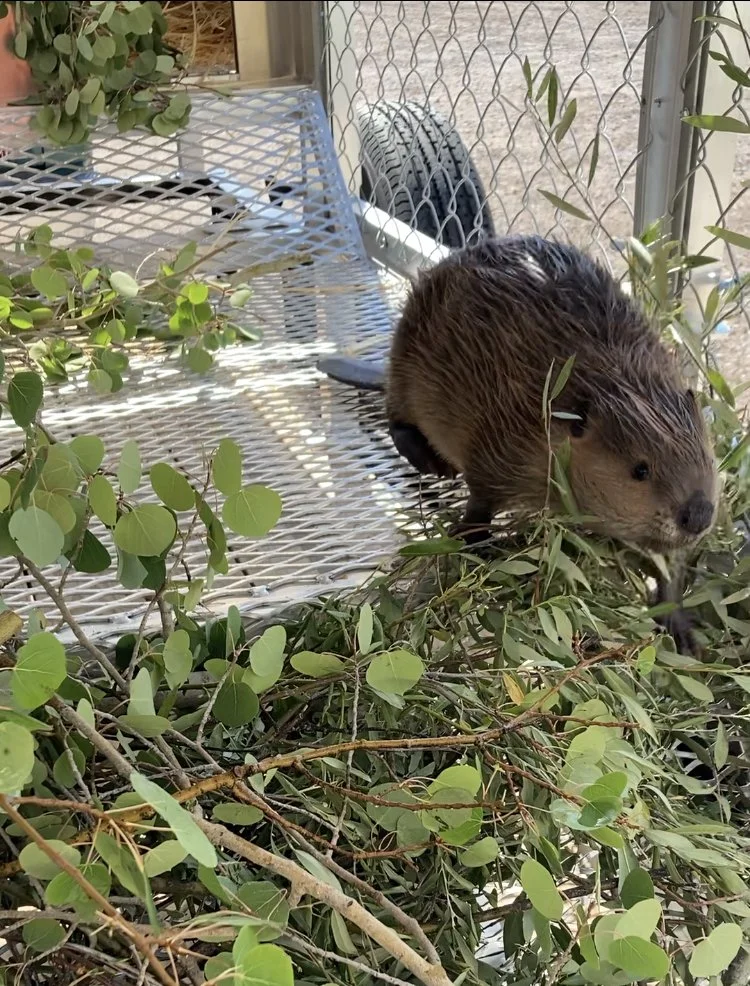
Project #539, Beaver Holding Trailer, Wyoming
Project #252, Red Butte & Tenmile Guzzlers, Wyoming
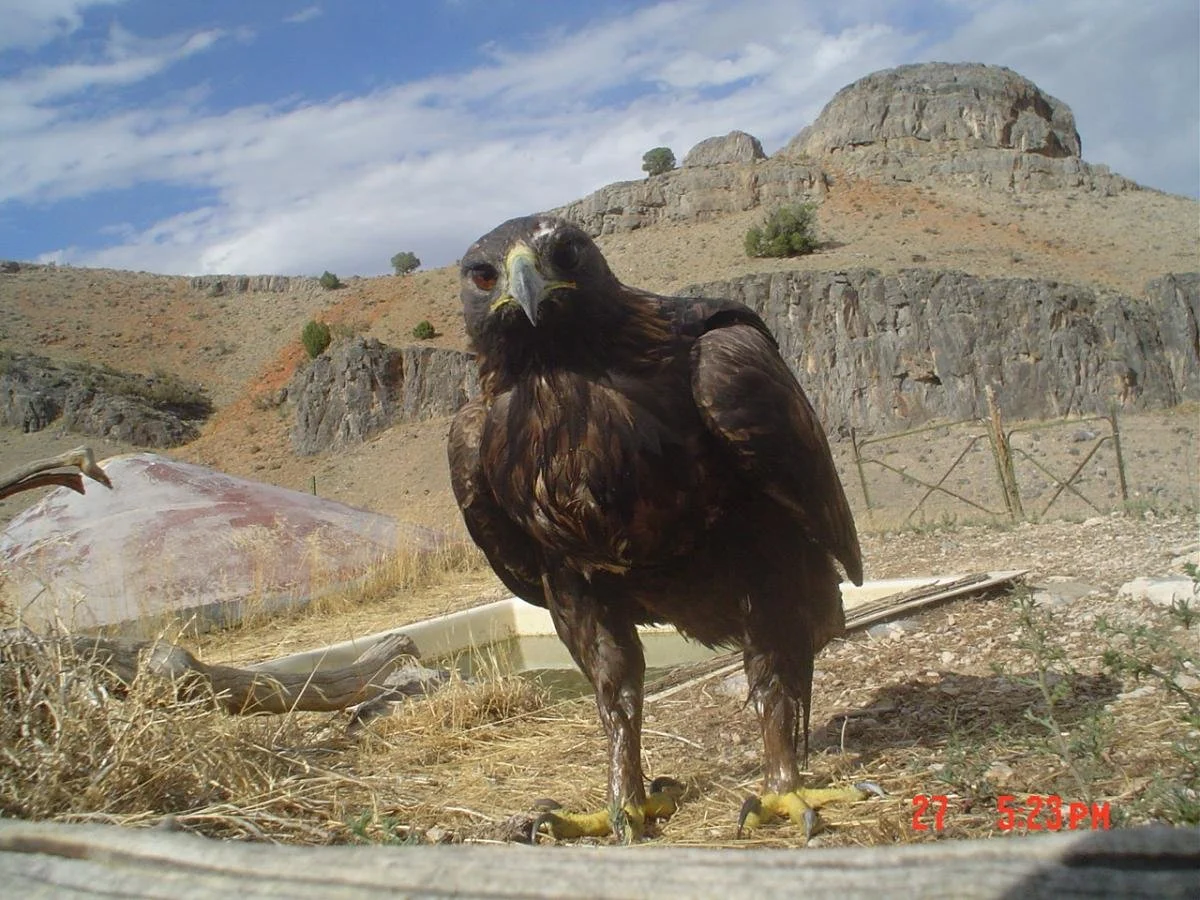
Project #395, study on Effective Placement of Wildlife Water, Utah
Restoring Habitat
Over the last 50 years, the Water for Wildlife® Foundation has grown its mission beyond water to include another resource every species depends on—habitat. Today, habitat restoration is a key part of the work we proudly support.
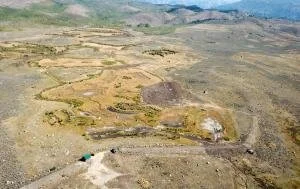
Before Restoration
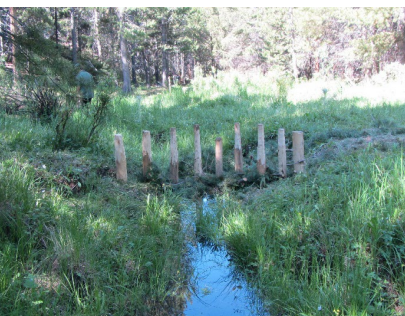
Project #509, Mill Creek Beaver Dam Analogs, Wyoming
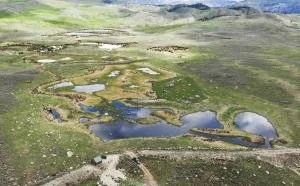
After Restoration
Project #496, Soda Lake Wetlands, Wyoming
Supporting Education
Water for Wildlife® believes the future of wildlife conservation is rooted in education. The Foundation has invested over $100,000 in a joint internship with Wyoming Game and Fish. This unique and targeted program was established in 2015. It trains participants in a broad range of wildlife conservation careers. Past interns have gone on to find work in their field as Habitat Biologists, Game Wardens, etc. We also established the Wildlife Discovery Center as a part of the Evans-Dahl Museum. Admission is free and provides interactive displays about wildlife conservation.
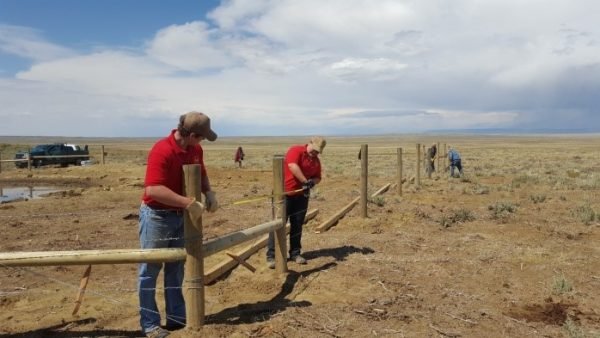
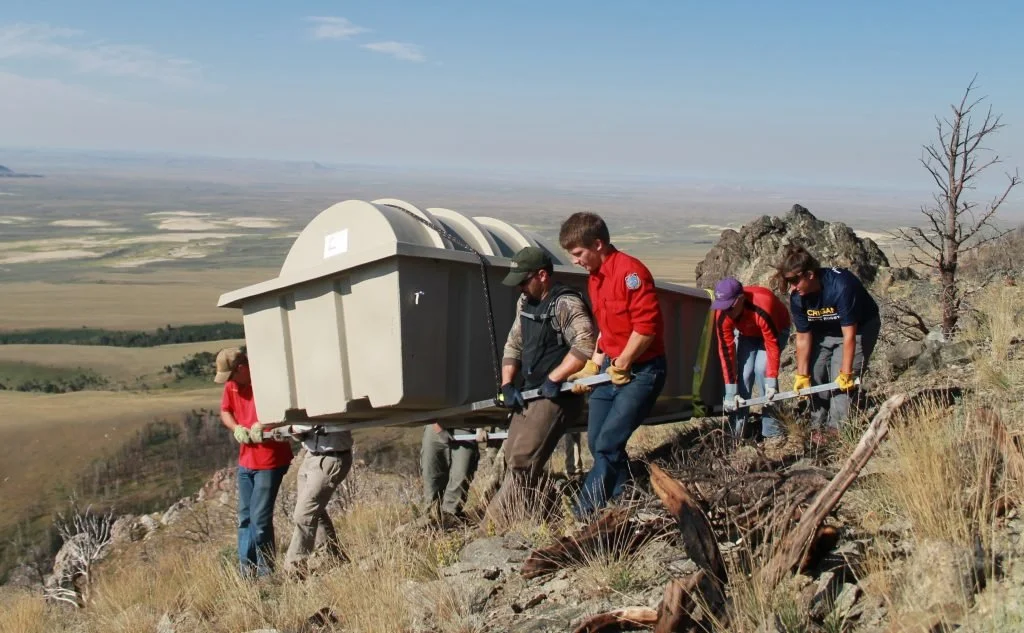
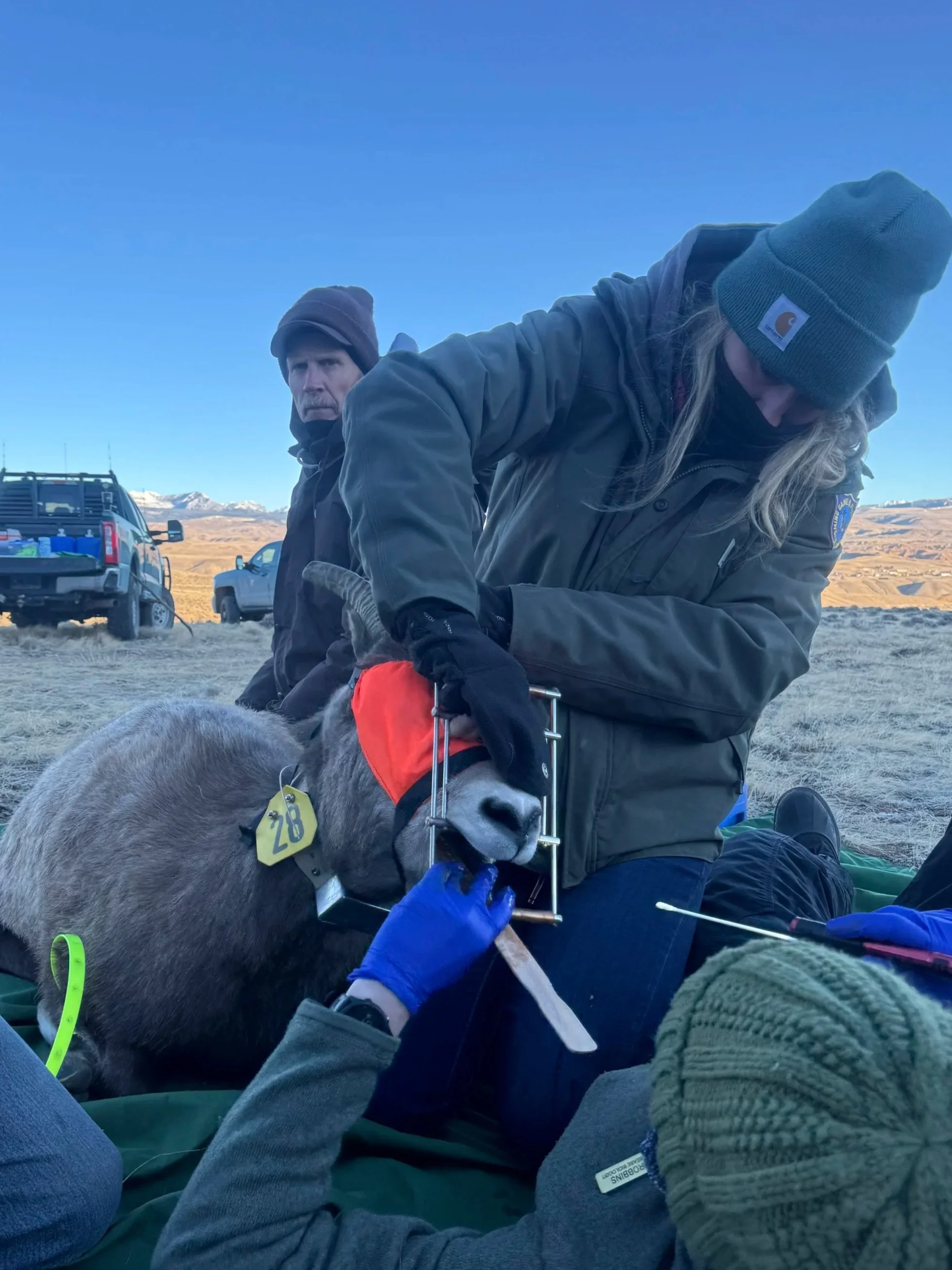
Interns gain hands-on experience across a wide range of conservation work—from building wildlife water developments (above) to assisting with bighorn sheep captures alongside professionals in the field (left).